
Day 1: What is Phishing?
Understanding the Threat of Phishing
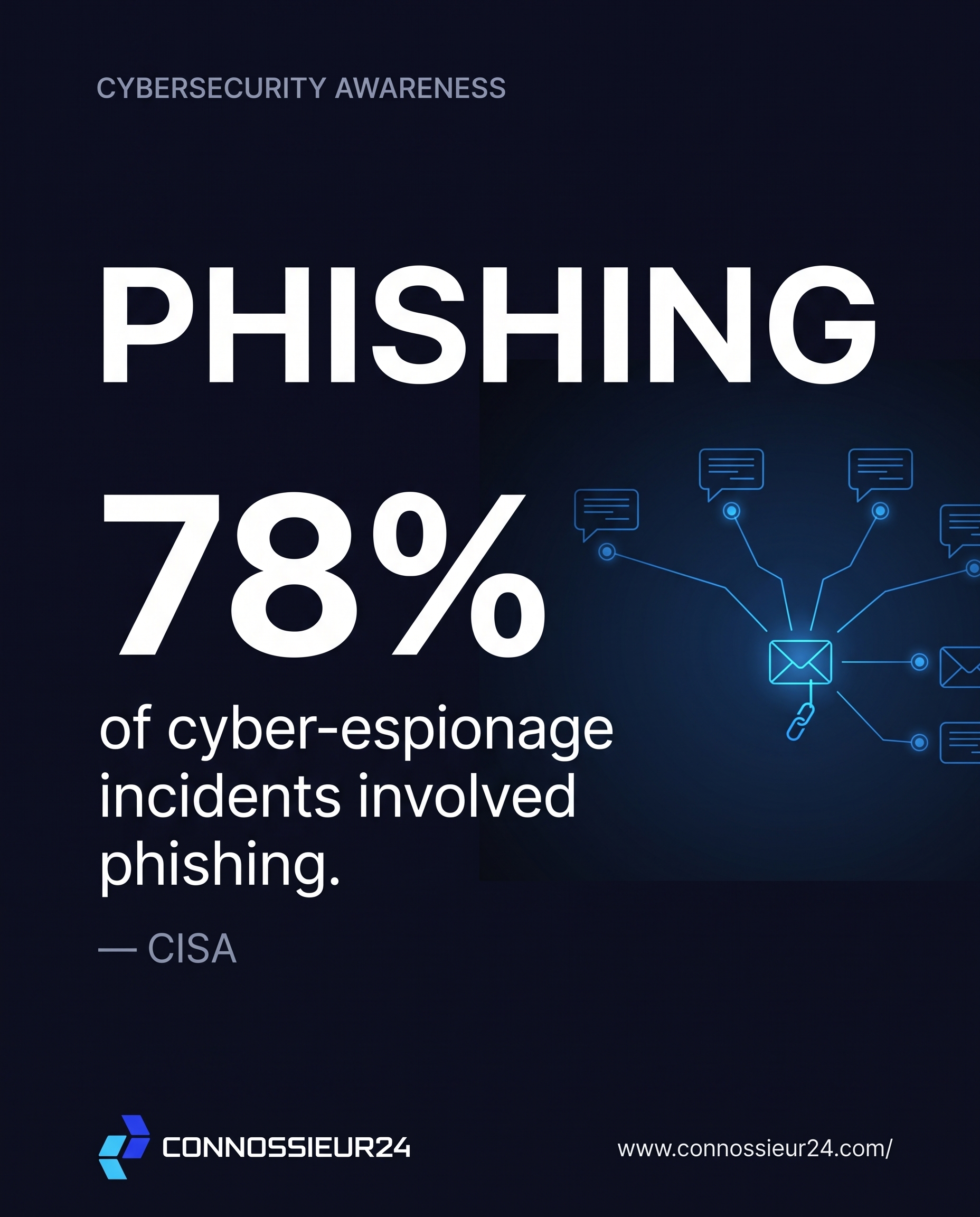
Phishing remains one of the most prominent threats in the digital landscape. According to CISA, 78% of cyber-espionage incidents involved phishing.
What is phishing?
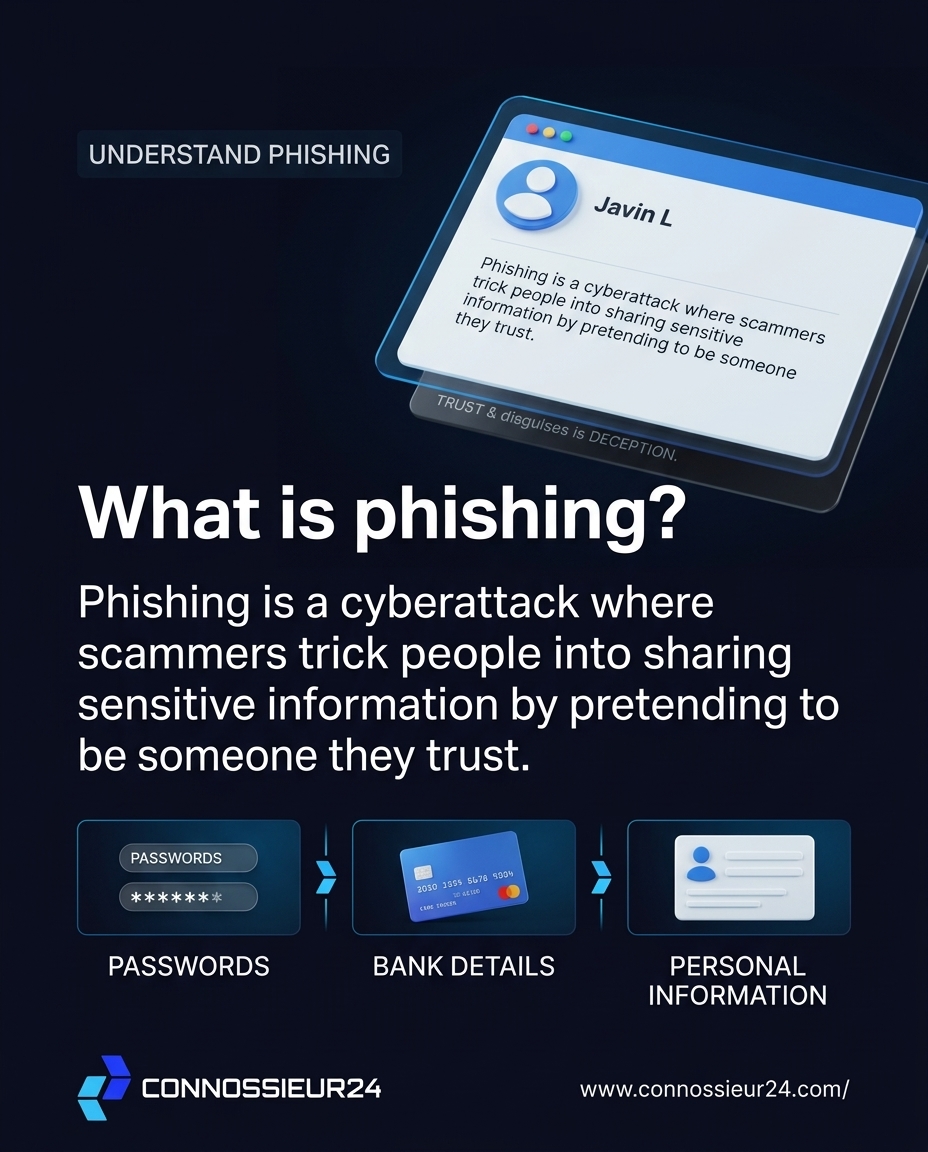
Phishing is a cyberattack where scammers trick people into sharing sensitive information by pretending to be someone they trust. Attackers typically target the following:
- Passwords.
- Bank details.
- Personal information.
How Phishing Manipulates You
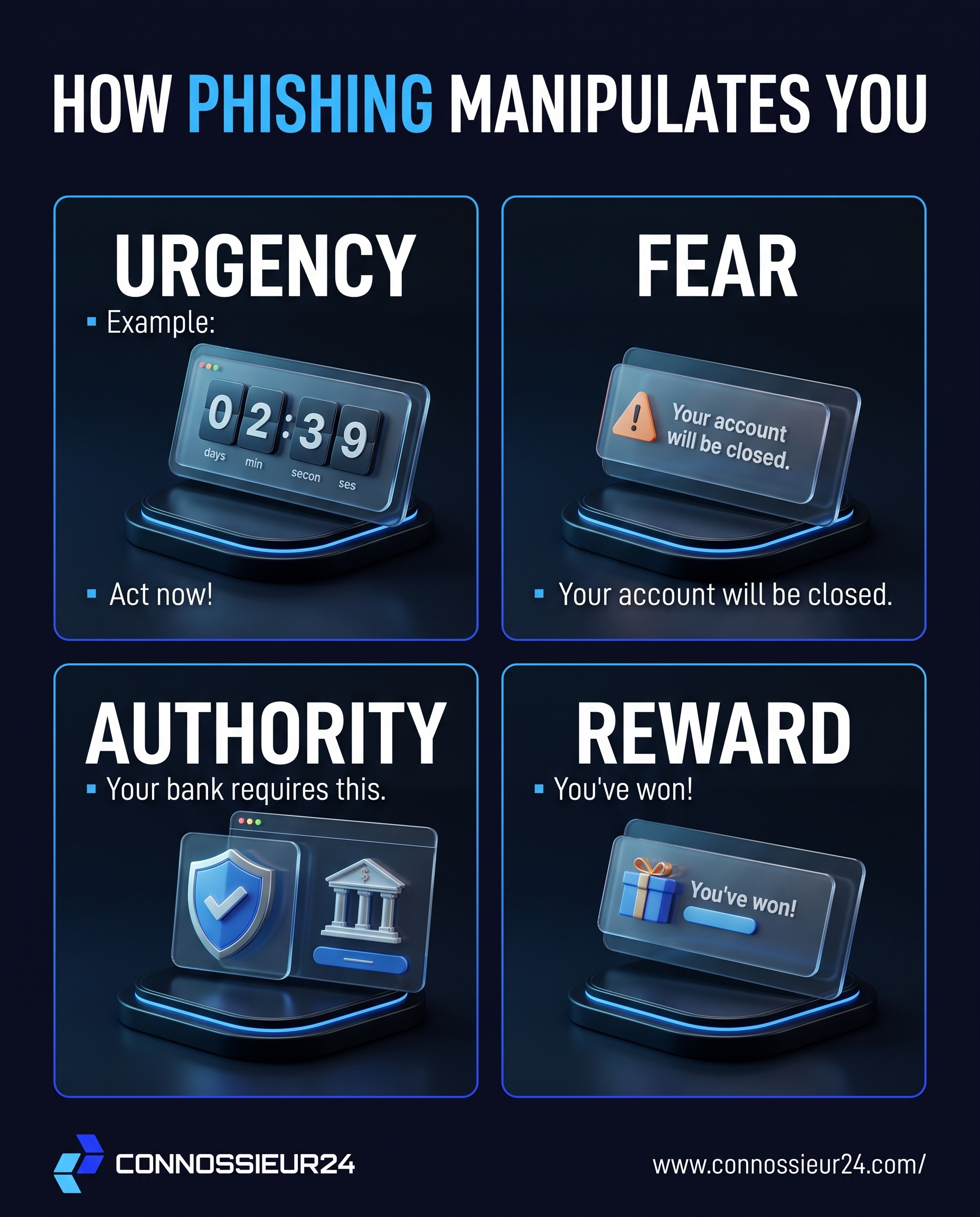
Phishing relies heavily on deception. Scammers manipulate their targets using four primary psychological triggers:
- Urgency: Prompting you to "Act now!" often accompanied by a countdown timer.
- Fear: Creating panic with threats like "Your account will be closed."
- Authority: Impersonating trusted institutions by stating "Your bank requires this."
- Reward: Dangling fake prizes and claiming "You've won!"
What Does the Attacker Want?
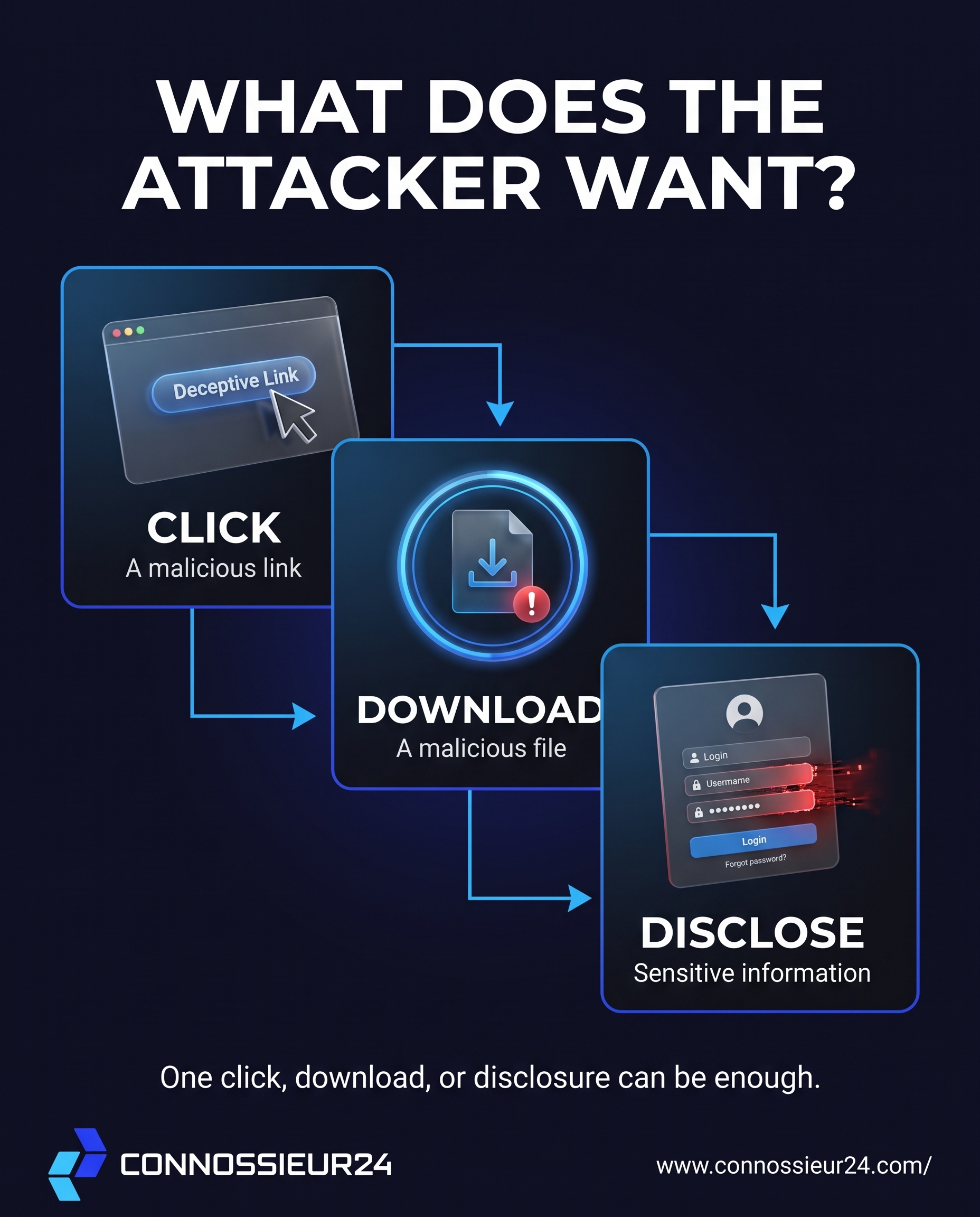
The attacker's deceptive communications are designed to force a specific action. They want you to do one of three things:
- Click a malicious link.
- Download a malicious file.
- Disclose sensitive information.
Remember, one click, download, or disclosure can be enough for the attack to succeed.
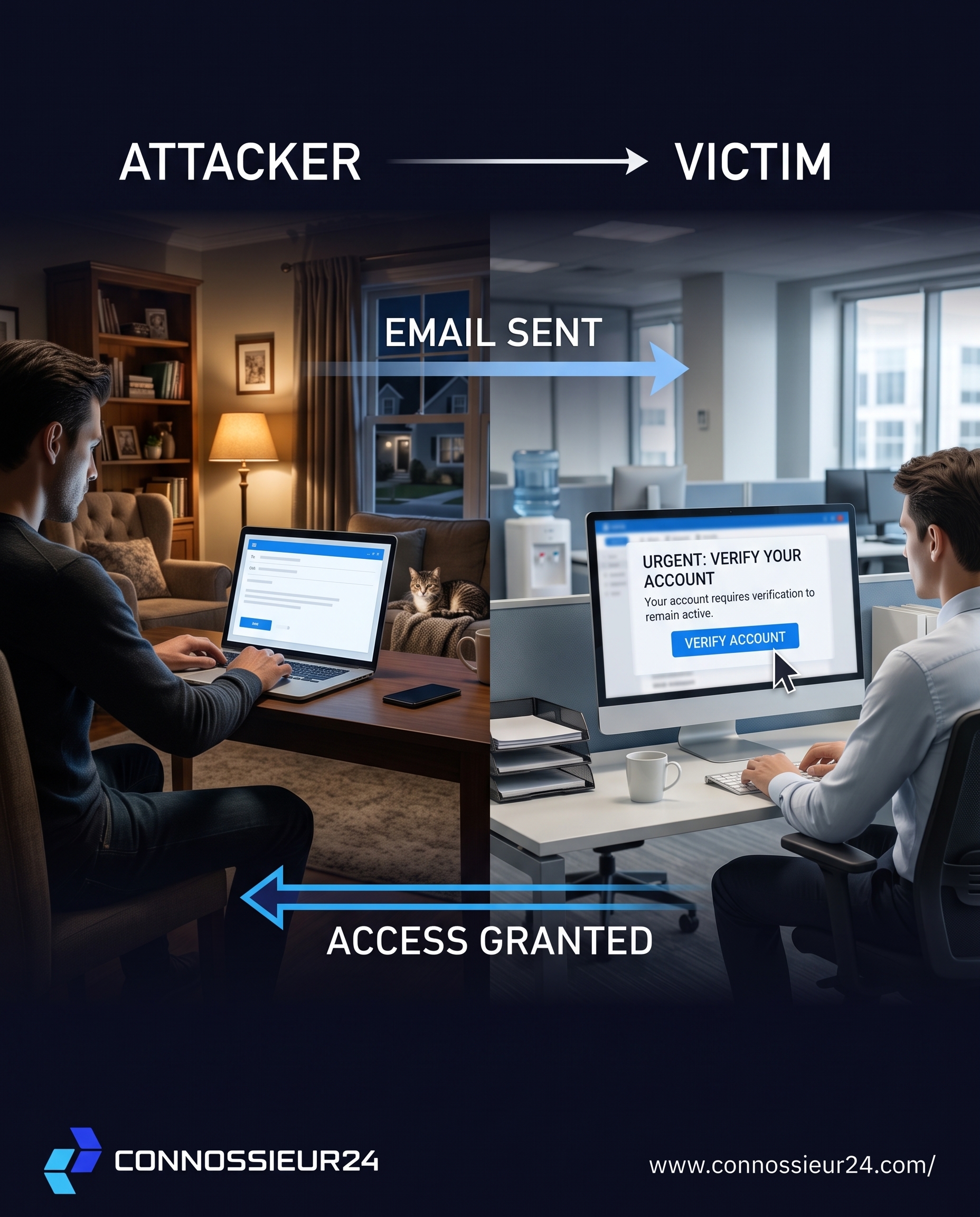
This lifecycle typically begins with a deceptive email sent from the attacker to the victim, often disguised as an urgent account verification request. Once the victim interacts with the prompt, access is granted back to the attacker.
Key Takeaway
Phishing exploits human trust and attention, not just technical vulnerabilities.